
Serving East Dunbartonshire
Dog Training and BehaviourIn East DunbartonshireBearsden, Milngavie And Kirkintilloch
Some of the best walking country near Glasgow. And some of the busiest. Mugdock, the Campsies, the canal towpath and the West Highland Way all start on your doorstep, which is exactly why recall and reactivity problems show up here. We assess your dog on that ground and give you a staged plan, reward-based only.
Home visits and outdoor sessions across the area, plus remote video coaching. We aim to reply to every enquiry within 48 hours.
4.7★ · 185 Google reviews
Verified on our Google Business Profile
17+ years' experience
Family homes, rescue shelters and courtrooms
Karen Pryor Academy trained
John holds the KPA Dog Trainer Professional qualification
48-hour response
We aim to reply to every enquiry
Fully insured
Public liability + care-of-custody cover
Training in East Dunbartonshire
Country access on the doorstep is a gift. And the reason recall fails here
East Dunbartonshire has walking ground most owners elsewhere would envy: Mugdock Country Park, the Allander and Kelvin walkways, Milngavie reservoirs, Lenzie Moss, the Forth and Clyde canal towpath through Kirkintilloch and Twechar, and the southern Campsie approaches with the West Highland Way beginning in Milngavie. That access shapes the case mix. Dogs here get long, interesting off-lead walks in genuinely stimulating environments. Full of deer, squirrels, rabbits, ground-nesting birds, cyclists and other dogs. And recall gets tested against far stronger competition than a suburban field ever provides.
The result is a specific and very common enquiry: a dog that recalls perfectly in the garden and near the car, and completely ignores you the moment a scent line or a deer trail appears at Mugdock. That is not disobedience; it is a cue that was never proofed against real competition. Our recall work here is built on the actual ground you use, at the distances and distraction levels where it currently fails, with a long line in place so the dog cannot keep rehearsing the failure while we fix it.
The second local pattern comes from the housing. Bearsden, Milngavie and Lenzie are dominated by detached and semi-detached homes with mature gardens, high hedges and quiet streets. Dogs raised there often have very little casual exposure to noise, crowds and close passing, so they can be immaculate at home and struggle in Kirkintilloch town centre or on a busy towpath at the weekend. Bishopbriggs and Auchinairn are denser and more urban in feel, which brings the classic close-passing reactivity instead.
Sessions are held at your home for assessment and household work, then out on your routes. Mugdock, the reservoirs, the canal, Lenzie Moss or the residential streets where lead work goes wrong. Remote 1-to-1 video coaching is available for households with tight schedules, and it suits dogs who find visitors to the house stressful.
Response times to East Dunbartonshire
East Dunbartonshire is close to our Glasgow base. Bearsden, Milngavie, Bishopbriggs and Lenzie are a short drive, and Kirkintilloch, Torrance and Milton of Campsie only slightly further. All are covered weekly, so appointments are usually available inside the working week, including evenings until 8:30pm Monday to Thursday and weekend slots. We aim to reply to every enquiry within 48 hours, and urgent cases. A bite, a formal warning, a dog that cannot be left alone at all. Are prioritised when flagged.
Areas covered inside East Dunbartonshire: Bearsden, Milngavie, Bishopbriggs, Kirkintilloch, Lenzie, Torrance, Balmore, Baldernock, Twechar, Milton of Campsie, Waterside, Auchinairn.
Homes we work in here
- Detached and semi-detached homes in Bearsden and Milngavie with mature, well-screened gardens
- 1930s and post-war villas in Lenzie and Kirkintilloch with driveways and hedged boundaries
- Bishopbriggs semis and terraces with shorter gardens and closer neighbouring dogs
- Canal-side and village housing in Twechar, Torrance and Milton of Campsie
- Modern estate developments with shared paths and close-set fencing
- Semi-rural properties around Baldernock and Balmore with farmland and livestock adjoining
What East Dunbartonshire owners call us about
- Recall failing at Mugdock, the reservoirs and on the West Highland Way approaches
- Chasing deer, squirrels, rabbits and ground-nesting birds
- Reactivity on the canal towpath where cyclists and dogs pass at close range
- Dogs who are calm at home but overwhelmed in Kirkintilloch or Bishopbriggs town centre
- Adolescent dogs who became stronger and stopped listening outdoors
- Separation problems in commuting households along the Lenzie and Bishopbriggs rail corridor
- Puppies needing structured socialisation from quiet, well-screened homes
- Livestock recall on the farmland fringe at Baldernock and Balmore
Services available in East Dunbartonshire
Every service below is delivered in East Dunbartonshire, at your home, on your usual routes, or by video
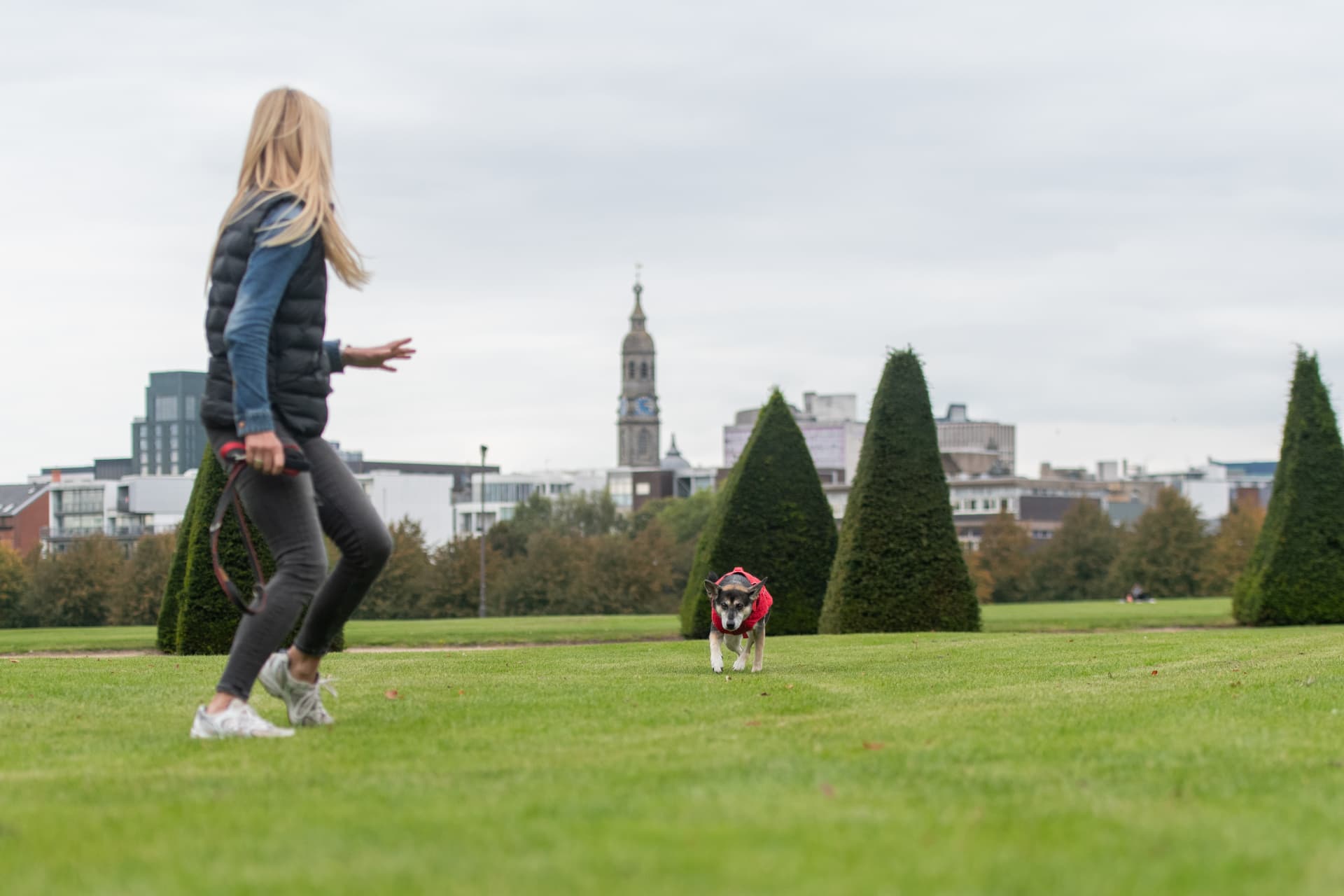
Recall Training in East Dunbartonshire
Our most requested service here: recall proofed at Mugdock, the reservoirs and the canal, including dogs that chase deer and rabbits.
View service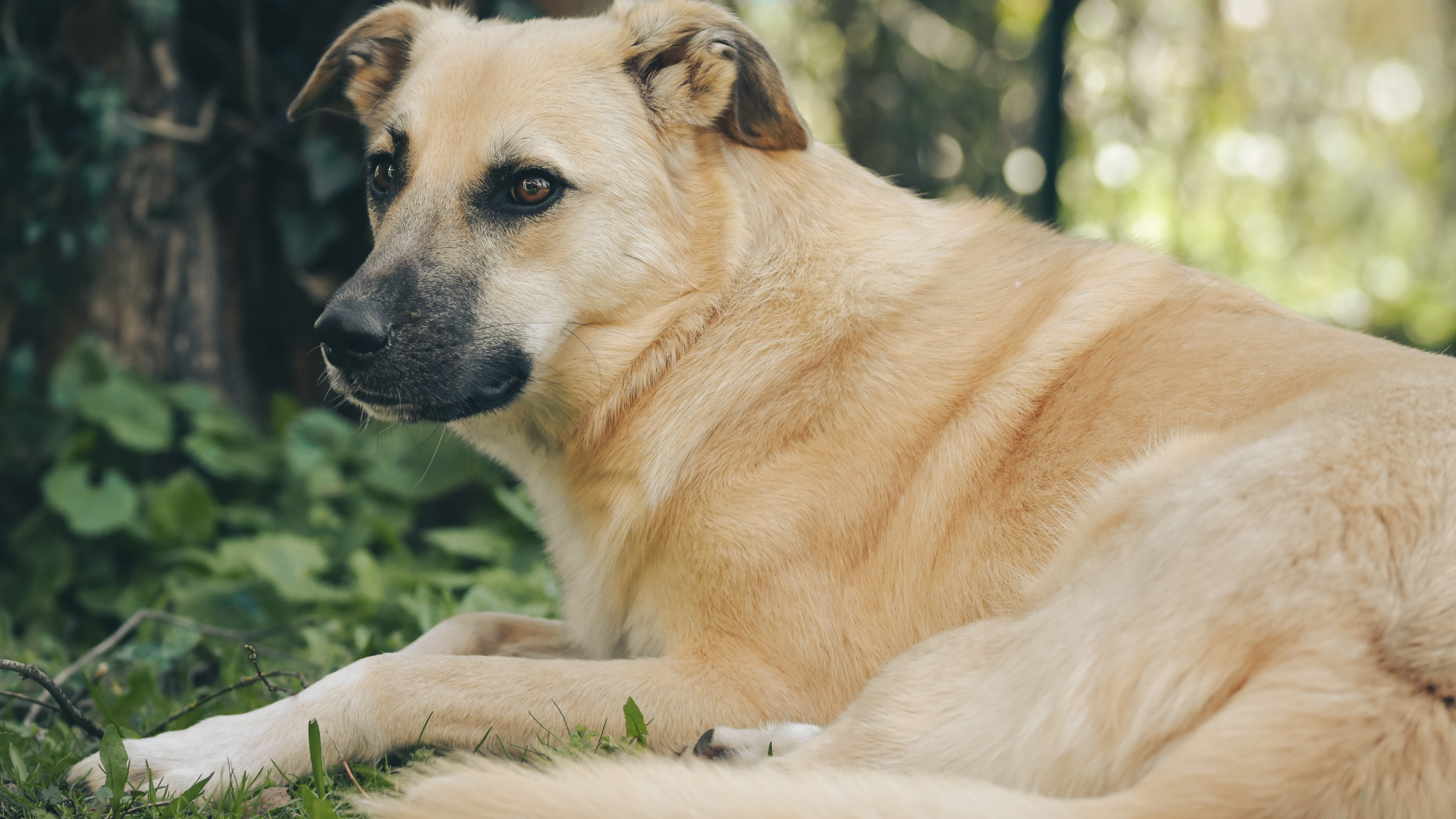
Adolescent Dog Training in East Dunbartonshire
The six-to-eighteen-month stage where a well-mannered puppy stops listening in exciting country. Attention and control rebuilt on real ground.
View service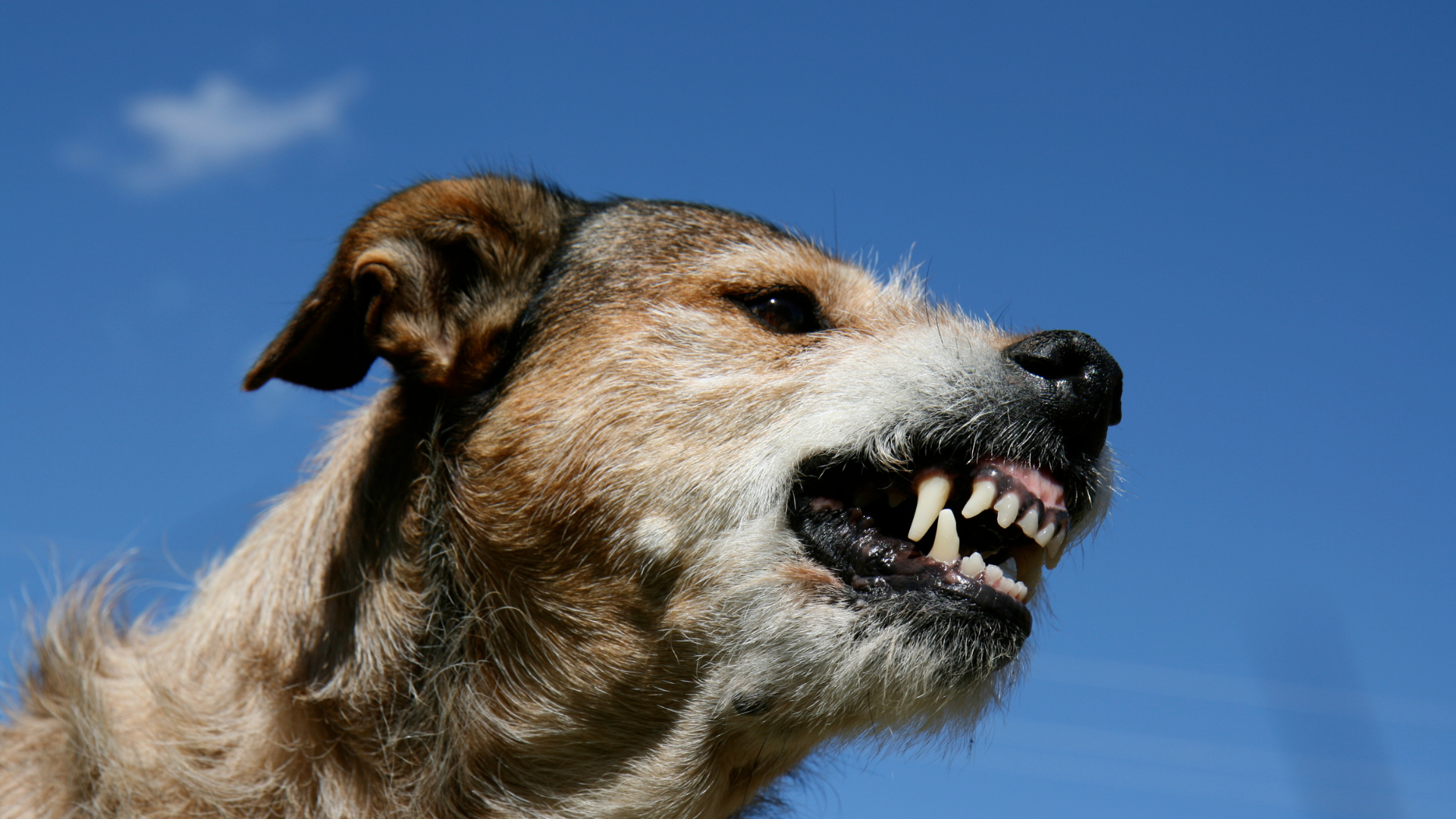
Aggression & Reactivity in East Dunbartonshire
Barking and lunging on towpaths and narrow pavements, with distance and route planning that works when cyclists pass at a metre.
View service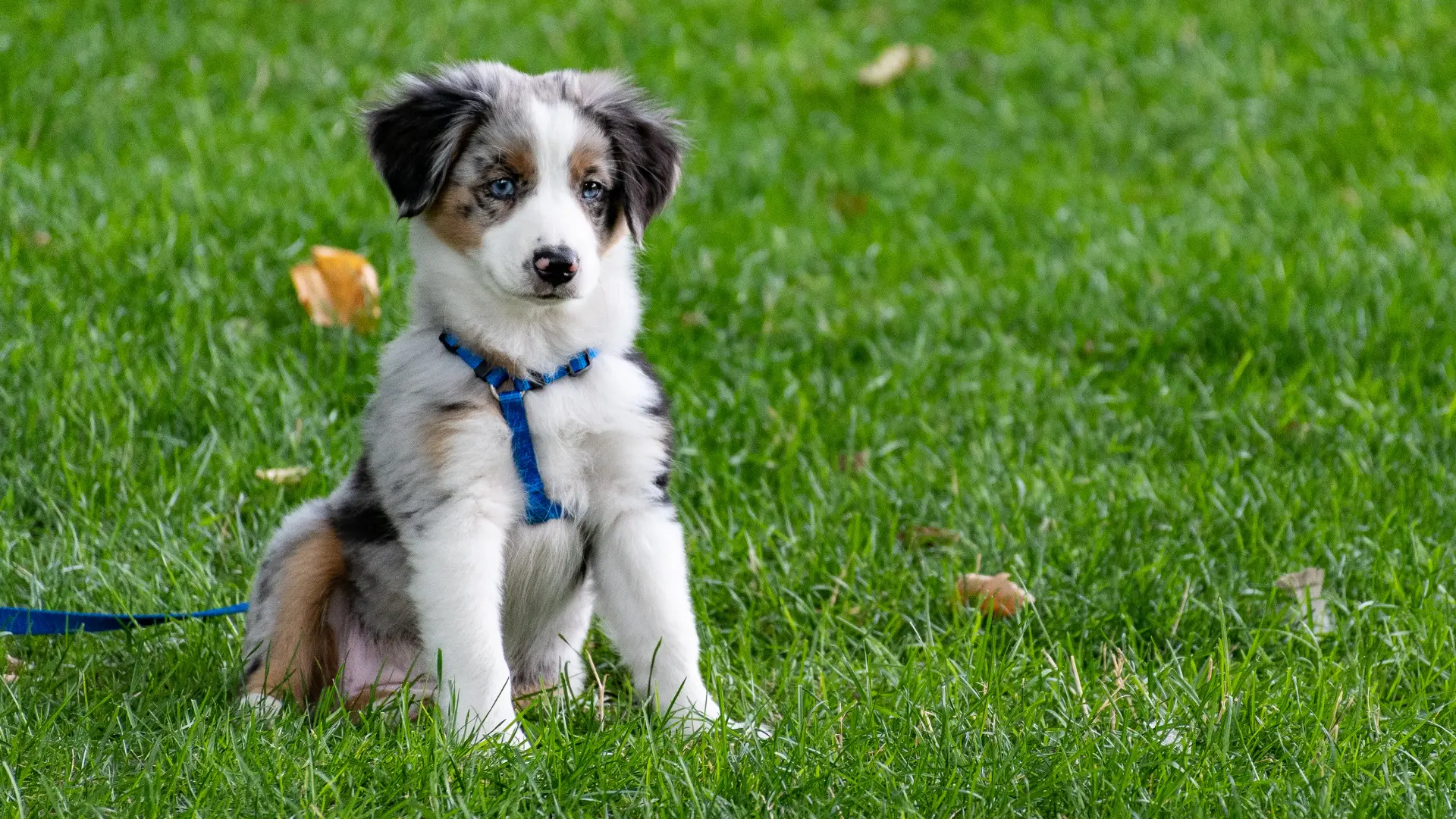
Puppy Training in East Dunbartonshire
Foundations for quiet, well-screened homes: settling, handling, toilet training and deliberate early exposure to noise and crowds.
View service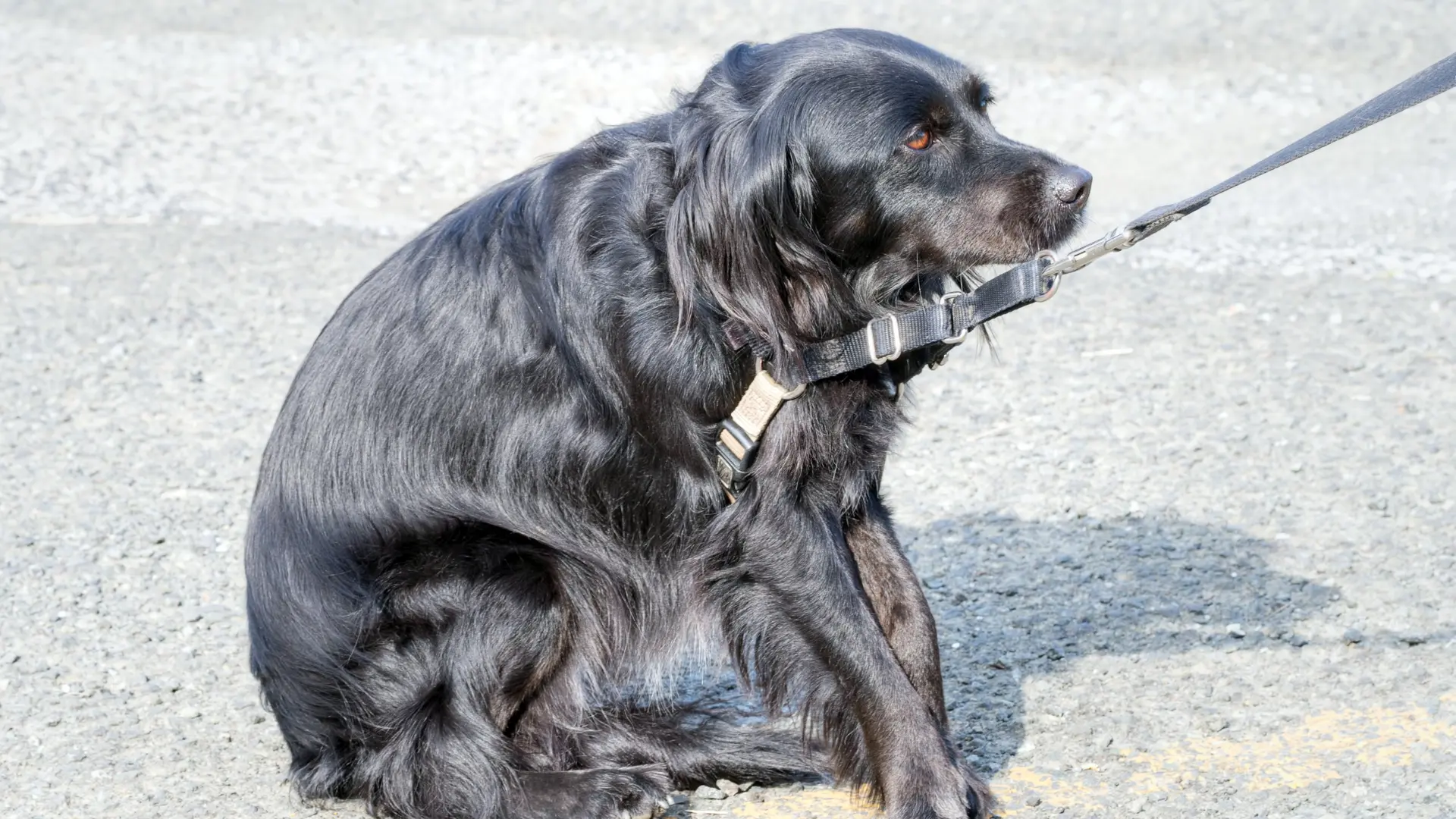
Fearful & Anxious Dogs in East Dunbartonshire
Confidence work for dogs raised in quiet streets who now struggle with traffic, town centres, strangers or fireworks.
View service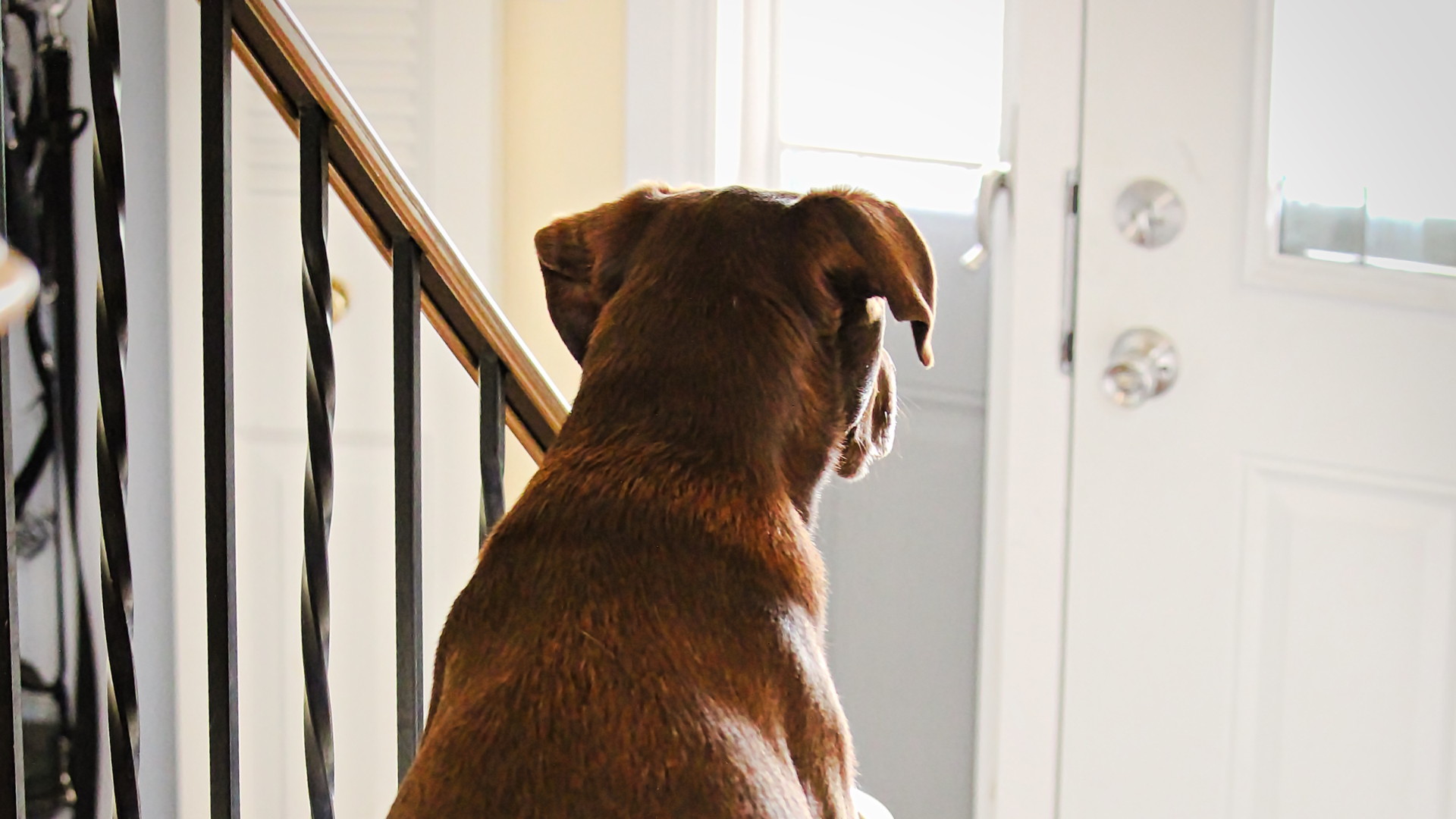
Separation Anxiety in East Dunbartonshire
Staged absence plans for commuting households, built so your dog learns to cope rather than being left to panic.
View service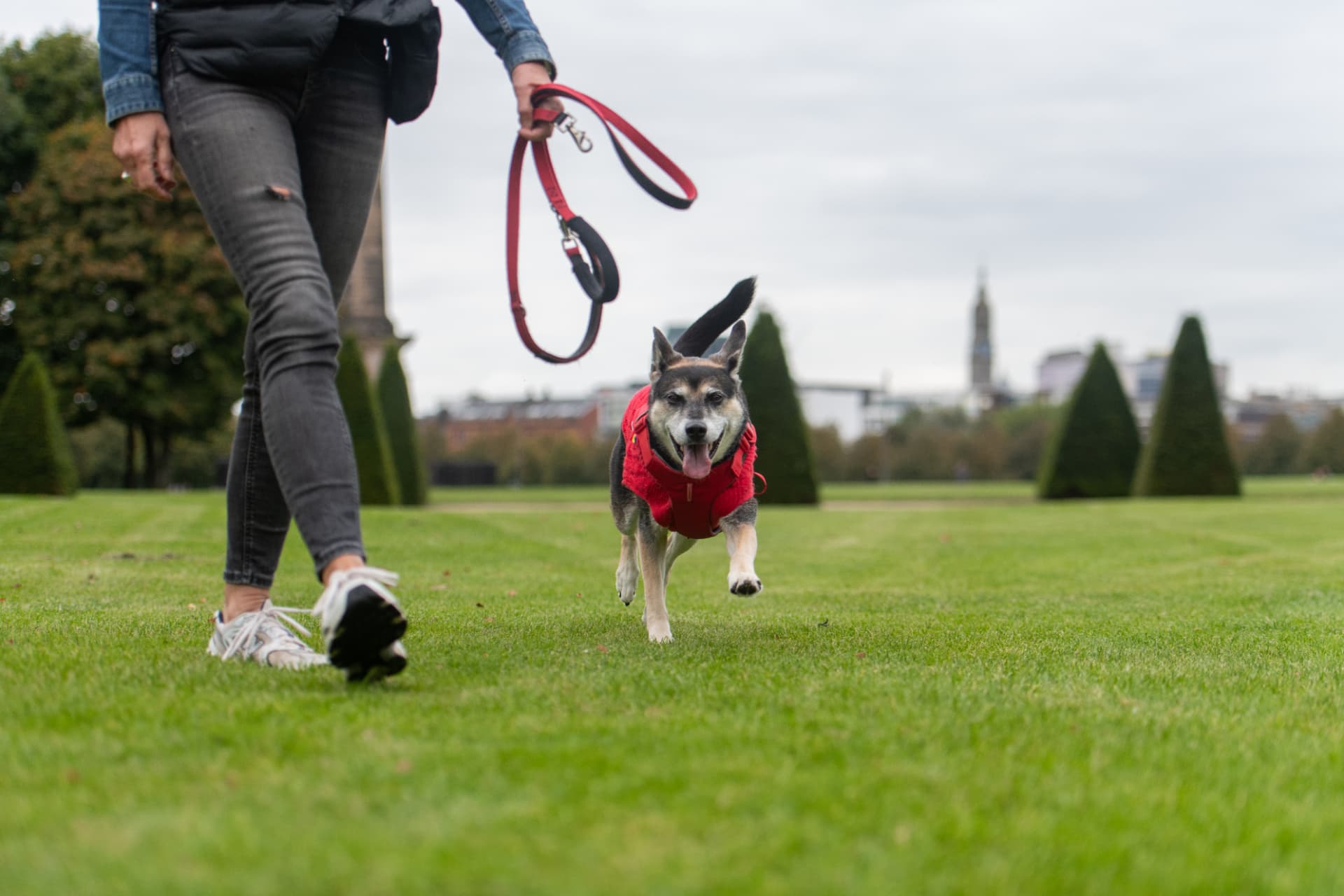
Loose-Lead Walking in East Dunbartonshire
Lead mechanics that hold on canal paths and busy pavements alike, taught with a harness and never a slip lead or check chain.
View service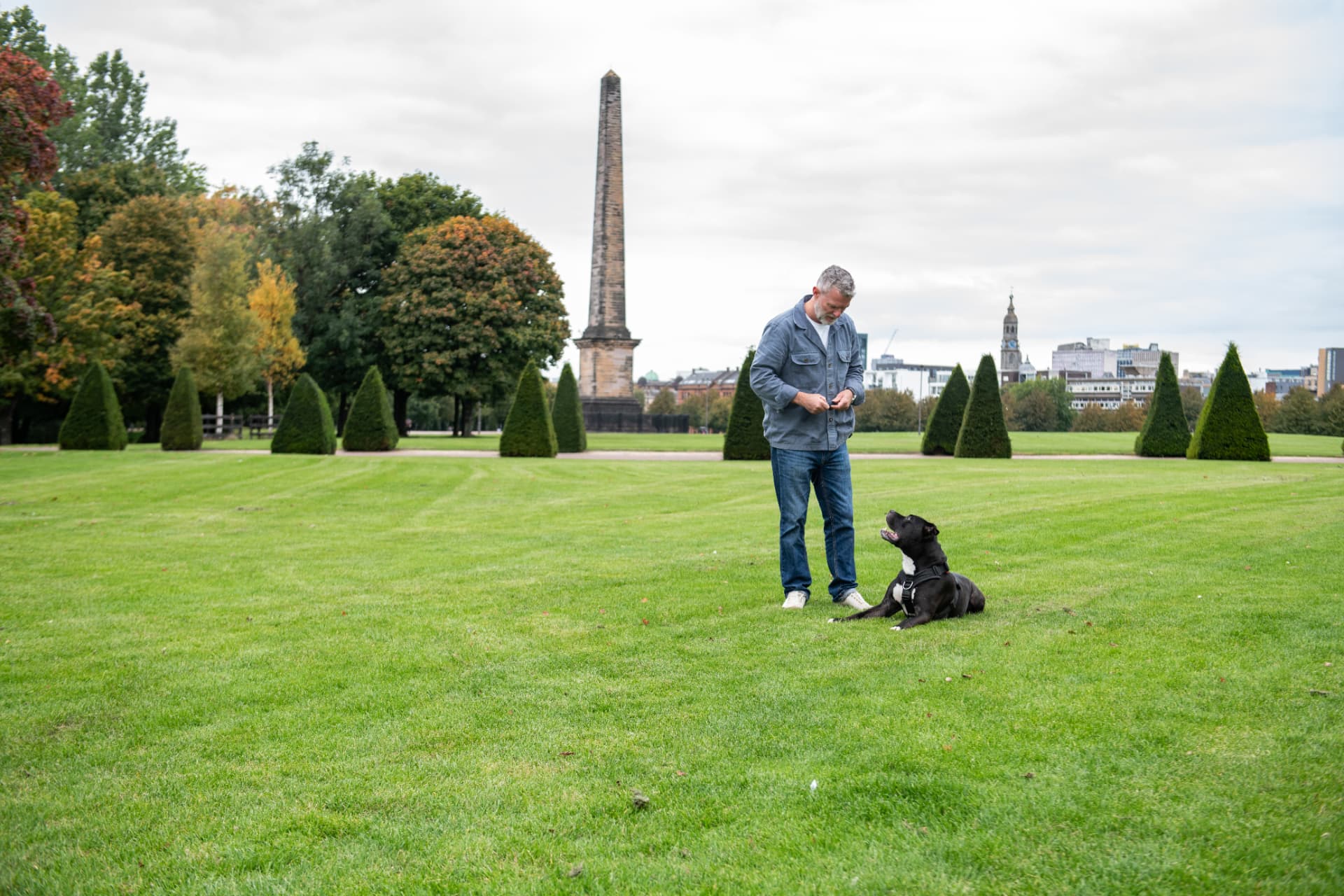
Obedience & Everyday Manners in East Dunbartonshire
Household manners that make daily life easier: settle, door greetings, no jumping, calm behaviour around visitors and children.
View service
Remote 1-to-1 Training in East Dunbartonshire
Live video coaching for tight schedules or dogs who find a stranger entering the house genuinely difficult.
View serviceWhy choose us in East Dunbartonshire
Recall and reactivity work built on the ground you actually walk
John McGuigan has over 17 years' experience with dogs and holds the Karen Pryor Academy Dog Trainer Professional qualification. An assessed professional programme from a private provider, based on demonstrated practical skill. He teaches seminars to trainers and rescue organisations and is instructed as an expert witness in dog behaviour cases. Helen Hutcheson works alongside him on behaviour cases and owner coaching, which is important when a dog is walked by two or three different people who each handle the long line differently.
We hold 4.7 stars from 185 Google reviews, carry public liability and professional care-of-custody insurance, and never use prong collars, e-collars, slip leads or check chains. That matters especially for chase behaviour, where e-collars are still marketed as the fast answer: we build recall through management, long-line work and reinforcement instead, because a punished chase often becomes a silent, faster chase.
Trained on your own routes
Mugdock, Lenzie Moss, the reservoirs and the canal towpath are where the behaviour fails, so that is where the work happens.
Chase behaviour without shock
Long-line management first so rehearsal stops, then recall value and impulse control. No e-collars for deer, rabbits or livestock.
Short travel, tight follow-ups
This area is close to base, so sessions can be scheduled while the last one is still fresh in the dog's learning.
Court-standard assessment
The structured assessment used in expert witness instructions underpins ordinary casework too, with written reports where needed.
No fear, no pain, no startle
Our stated standard on every dog, whatever its size, strength or history.
Insured and documented
Public liability plus care-of-custody cover, and a written staged plan the whole household can follow.
Local pressure points
Wildlife, water and quiet streets are the local variables that shape training
The defining local factor is wildlife. Mugdock, the Campsie fringe, Lenzie Moss and the canal corridor hold deer, rabbits, hares, squirrels, waterfowl and ground-nesting birds. Chasing is intrinsically rewarding, the dog does not need you to reinforce it, so every successful chase makes recall harder. Ground-nesting birds add a conservation dimension in spring and early summer, and farmland at Baldernock and Balmore adds livestock, where chasing becomes a legal matter. This is why we start chase cases with strict management rather than optimism.
Water is the second. The Milngavie reservoirs, the canal and the Allander and Kelvin waters mean many dogs have swimming access, which is excellent for decompression but produces its own problems: dogs that launch into cold water regardless of recall, dogs on the canal edge near a towpath with cyclists a metre away, and winter cases where a soaked dog cuts the walk short and burns none of its mental energy.
Third is the quiet-street effect. Bearsden, Milngavie and Lenzie are leafy and low-traffic with hedged, private gardens. That is lovely to live in and it can under-prepare a dog. Without deliberate exposure, dogs raised in those streets may reach adolescence having rarely met a crowd, a bus, a pushchair or a barking dog at close range. Then find Kirkintilloch on a Saturday genuinely alarming. Add exposed Campsie-edge weather, longer-lying winter ice on higher ground and firework noise carrying across open fields, and the plan needs real local detail rather than generic advice.
Conditions in East Dunbartonshire that shape the training plan
- Deer, rabbits and squirrels at Mugdock and the Campsie fringe: self-reinforcing chase behaviour
- Ground-nesting birds on moss and moorland: seasonal disturbance risk requiring lead control
- Farmland at Baldernock and Balmore: livestock within chase distance of walking routes
- Canal towpath: cyclists and dogs passing at very close range with water on one side
- Reservoir and river access: dogs entering cold water regardless of the recall cue
- Quiet, hedged residential streets: under-exposure to traffic, crowds and close dog contact
- Exposed higher ground: longer-lying ice, wind and shortened winter walks
- Open-country firework and shooting noise carrying across fields for weeks
How we work in East Dunbartonshire
The same five-stage process for every dog, wherever you live
Step 1
Enquiry and case screening
You tell us what is happening, where you live and what you have already tried. We aim to reply within 48 hours and tell you honestly whether behaviour work, training or a vet referral is the right first step.
Step 2
Assessment in the place it happens
The first session takes place at your home or on the exact route, park or close where the behaviour shows up. Because that context is the information we need.
Step 3
Written plan and diagnosis
You get a clear explanation of why your dog is behaving this way and a staged plan with the steps in order, so you are never guessing what to practise between sessions.
Step 4
Coached practice and adjustment
We coach you through the handling in person or over video, then adjust the plan against what actually happens in the following days rather than sticking to a script.
Step 5
Verification and handover
We test the behaviour under real distraction levels, confirm you can run the plan without us, and leave you with the maintenance routine plus ongoing support options.
East Dunbartonshire questions
Straight answers for dog owners in East Dunbartonshire
Do you cover all of East Dunbartonshire?
Yes. Bearsden, Milngavie, Bishopbriggs, Lenzie, Kirkintilloch, Torrance, Milton of Campsie, Twechar, Balmore, Baldernock and Waterside. Sessions happen at your home or on your local routes; we have no premises for clients to attend.
How quickly can you get to Bearsden or Milngavie?
Quickly. Both are a short drive from our Glasgow base and are covered weekly, so appointments are usually available inside the working week, including evenings to 8:30pm Monday to Thursday.
How fast can you reach Kirkintilloch or Milton of Campsie?
Also weekly, with only slightly more travel. Our reply target is 48 hours for every enquiry regardless of where in the area you are.
What does dog training cost in East Dunbartonshire?
Sessions are quoted per case once we know the behaviour, its history and how many people handle the dog. If you would rather begin at lower cost, our self-paced online courses run from £30 to £150 and the ongoing membership is £43 per month.
Do you offer emergency appointments in this area?
We are not an emergency service. We do prioritise genuinely urgent cases, bites, formal warnings, legal deadlines and dogs that cannot be left alone at all. So tell us in your first message and we will offer the earliest realistic slot.
My dog chases deer at Mugdock. Can that be fixed without an e-collar?
Yes, and we will not use one. We put management in place immediately, a long line and route choices that prevent further chasing, because every successful chase strengthens the habit. Then we build recall value and impulse control until the behaviour genuinely holds under distraction.
My dog is perfect at home but panics in Kirkintilloch town centre. Why?
Quiet, hedged residential streets give dogs very little casual exposure to crowds, traffic and close dog contact. We rebuild that in graded steps starting somewhere your dog can cope, rather than repeatedly taking it into the environment that frightens it.
Is the canal towpath a good place to train a reactive dog?
Not at first. It is narrow, cyclists pass fast and there is water on one side, so distance is hard to create. We start on ground where you can get real space, then use the towpath at quiet times once your dog can handle a close pass.
Do you help with livestock recall on the farmland fringe?
Yes, and we treat it as a safety and legal matter. Off-lead access near stock is stopped while training progresses, and reintroduced only when recall is reliable under equivalent distraction.
Do I need a vet referral for a behaviour case?
No. We accept direct enquiries and also work on vet referral. Where the history suggests pain or another medical driver, we will ask you to involve your vet in parallel with the behaviour plan.
Nearby areas and next steps
Next step in East Dunbartonshire
Get your East Dunbartonshire dog assessed properly
Send the breed, the age, what happens, where it happens and what you have already tried. Including which routes it goes wrong on. You will get an honest reply about whether this needs training, behaviour work or a veterinary opinion first, and what a realistic timeline looks like. Reward-based only, fully insured, and we aim to respond within 48 hours.
07790 608841- 4.7★ from 185 Google reviews
- Public liability and care-of-custody insured
- Reward-based only. No prong collars, e-collars, slip leads or check chains